

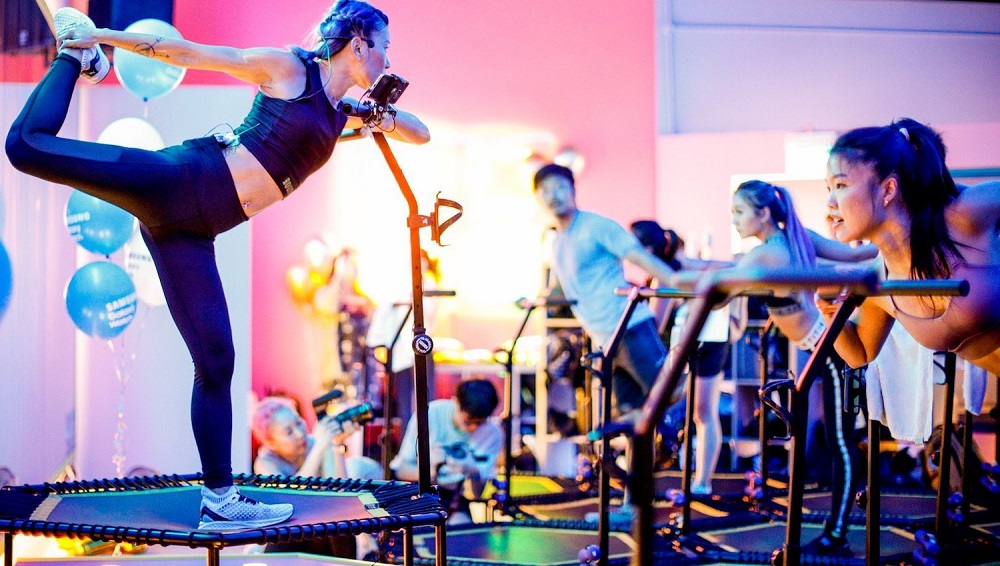
Singapore’s fitness industry has demonstrated consistent resilience and adaptability across economic cycles, and within it, the boutique fitness segment has grown particularly robustly over the past decade. Within this segment, trampoline fitness has carved out a distinct and expanding position, transitioning from a novelty offering to an established fitness category with dedicated consumer demand, specialised facilities, and a growing body of practitioner expertise.
Understanding what is driving this growth, and where the genuine opportunities lie within it, requires looking at both the consumer behaviour shifts shaping Singapore’s fitness market and the specific characteristics of Trampoline fitness singapore as a product category.
The Broader Boutique Fitness Context
Singapore’s boutique fitness sector has benefited from a confluence of factors that have shifted consumer preferences away from large-format gym memberships toward specialised, experience-focused class formats. These include rising health consciousness across age groups, increased willingness to spend on premium wellness experiences, a growing understanding of the difference between general physical activity and structured fitness programming, and the social and community dimensions that boutique studios offer alongside the workout itself.
The COVID-19 period accelerated several of these trends. Singaporeans who were forced to explore home-based fitness alternatives during restrictions returned to in-person fitness with a heightened appreciation for the social and motivational dimensions of group exercise. Boutique studios that had invested in community culture retained members through the disruption and re-opened to renewed demand.
Trampoline fitness studios benefited from this renewed interest in engaging, social fitness formats. The format’s inherent energy and its distinctiveness from conventional gym training positioned it well for the post-restriction fitness environment.
Consumer Demographic Profile for Trampoline Fitness
The consumer base for trampoline fitness in Singapore is notably broad across age and gender demographics, which is a meaningful commercial advantage compared to more narrowly appealing boutique formats.
Key consumer segments include:
- Young working professionals aged 25-40 seeking high-energy, time-efficient cardiovascular training that provides genuine stress relief in an engaging social environment
- Women over 35 interested in weight-bearing exercise options with lower joint impact than running or traditional aerobics formats
- Parents with active lifestyles who appreciate a format that bridges adult fitness with activity their children can participate in separately
- Athletes and fitness enthusiasts using trampoline training as a cross-training tool to develop explosive power and cardiovascular capacity without additional joint stress
- Corporate wellness participants accessing trampoline sessions through employer-sponsored wellness programmes
This demographic breadth supports more stable revenue across seasonal fluctuations and economic cycles than formats with narrower consumer appeal.
Key Growth Drivers in the Singapore Market
Several specific factors are driving continued growth in Singapore’s trampoline fitness market:
The increasing prevalence of joint-related complaints among Singapore’s working population, driven by sedentary work environments and high training volumes among fitness-conscious residents, is expanding the market for low-impact cardiovascular alternatives. Trampoline fitness sits precisely in this gap.
Rising awareness of the lymphatic, vestibular, and bone health benefits of rebound training beyond simple cardiovascular conditioning is broadening the appeal of the format among health-conscious consumers who want their exercise investment to deliver multidimensional physiological benefits.
Social media’s role in fitness discovery continues to benefit visually dynamic formats. Trampoline fitness sessions generate engaging, shareable content that drives organic awareness and trial among new consumer segments.
Untapped Opportunities in the Singapore Market
Despite its growth, several market segments remain underdeveloped within Singapore’s trampoline fitness landscape:
Corporate wellness represents a significant opportunity. Singapore’s major employers are increasingly investing in structured employee wellness programmes, and trampoline fitness offers a differentiated group activity that combines genuine fitness benefit with an engaging, memorable experience. Group bookings and corporate trial sessions remain underutilised as a revenue channel in the sector.
Sports performance applications are another underdeveloped area. The explosive power, proprioceptive, and cardiovascular benefits of trampoline training are directly relevant to athletes in multiple sports disciplines. Partnerships with sports clubs, academies, and performance coaching programmes could meaningfully expand the professional athlete and competitive recreational athlete segments.
Active ageing is a growing priority in Singapore’s public health agenda. The bone density, balance, and cardiovascular benefits of trampoline fitness align directly with the government’s active ageing initiatives, creating potential partnership opportunities with community health programmes and older adult fitness initiatives.
TFX Singapore is positioned to participate actively in these growth channels as the market continues to develop, with a facility and programme infrastructure capable of scaling to serve corporate, sports performance, and active ageing segments alongside its established general consumer membership base.
Challenges Facing the Market
Real estate costs represent the primary structural constraint on market expansion. The floor space required for a properly equipped trampoline fitness studio, combined with Singapore’s commercial property pricing, creates meaningful barriers to new entrant viability and limits multi-location expansion for existing operators.
Instructor talent development is a secondary constraint. Growing the market requires a sufficient pipeline of qualified trampoline fitness instructors, and developing instructor competency in this specialised format requires investment in training infrastructure that the market is still building.
Consumer education also remains an ongoing requirement. A significant proportion of Singapore’s fitness-active population is still unaware of the specific health benefits of trampoline fitness, and conversion from awareness to trial depends on effective communication of these benefits through appropriate channels.
FAQ
Q: How does the trampoline fitness market in Singapore compare to more established markets like the US or UK? Singapore’s market is smaller in absolute terms but demonstrates comparable growth dynamics to the early boutique fitness boom in those markets. The combination of high health consciousness, premium spending capacity, and compact urban geography creates favourable conditions for continued development of the category.
Q: What is the typical revenue model for a trampoline fitness studio in Singapore? Most studios operate on a class credit model rather than monthly memberships, with class packs offered at tiered pricing. Some studios supplement this with merchandise sales, personal training add-ons, and corporate booking revenue. Monthly unlimited memberships are offered by some operators as a retention tool for high-frequency members.
Q: Is there investor interest in Singapore’s trampoline fitness sector? Boutique fitness has attracted private equity and venture capital interest in several regional markets. Singapore’s trampoline fitness sector is at an earlier stage of institutional investor interest than yoga or cycling, but the fundamental market dynamics make it an increasingly interesting category for fitness-focused investment activity.
Q: How important is location selection for trampoline fitness studio viability in Singapore? Location is critically important. Studios in areas with high foot traffic from target demographic segments, proximity to MRT stations, and surrounding retail and dining amenity perform significantly better than equivalent-quality studios in lower-accessibility locations. The boutique fitness consumer in Singapore is convenience-sensitive in their attendance behaviour.
Comments are closed.