

The Shift from Perks to Performance: Corporate Wellness in 2025
Corporate wellness in Singapore has undergone a significant transformation over the past decade. What began as a collection of token gestures, a fruit basket in the pantry, a subsidised gym membership few used, has evolved into a strategically managed component of human resources that senior leadership increasingly views through the lens of productivity, retention, and organisational resilience.
The pandemic accelerated this shift dramatically. As companies navigated remote work, burnout, and the mental health fallout of prolonged uncertainty, the inadequacy of superficial wellness perks became obvious. Employees needed and expected something substantive. HR directors and Chief People Officers across Singapore’s finance, tech, legal, and professional services sectors began allocating meaningful budget to structured wellness programmes that addressed the actual physical and psychological demands of contemporary knowledge work.
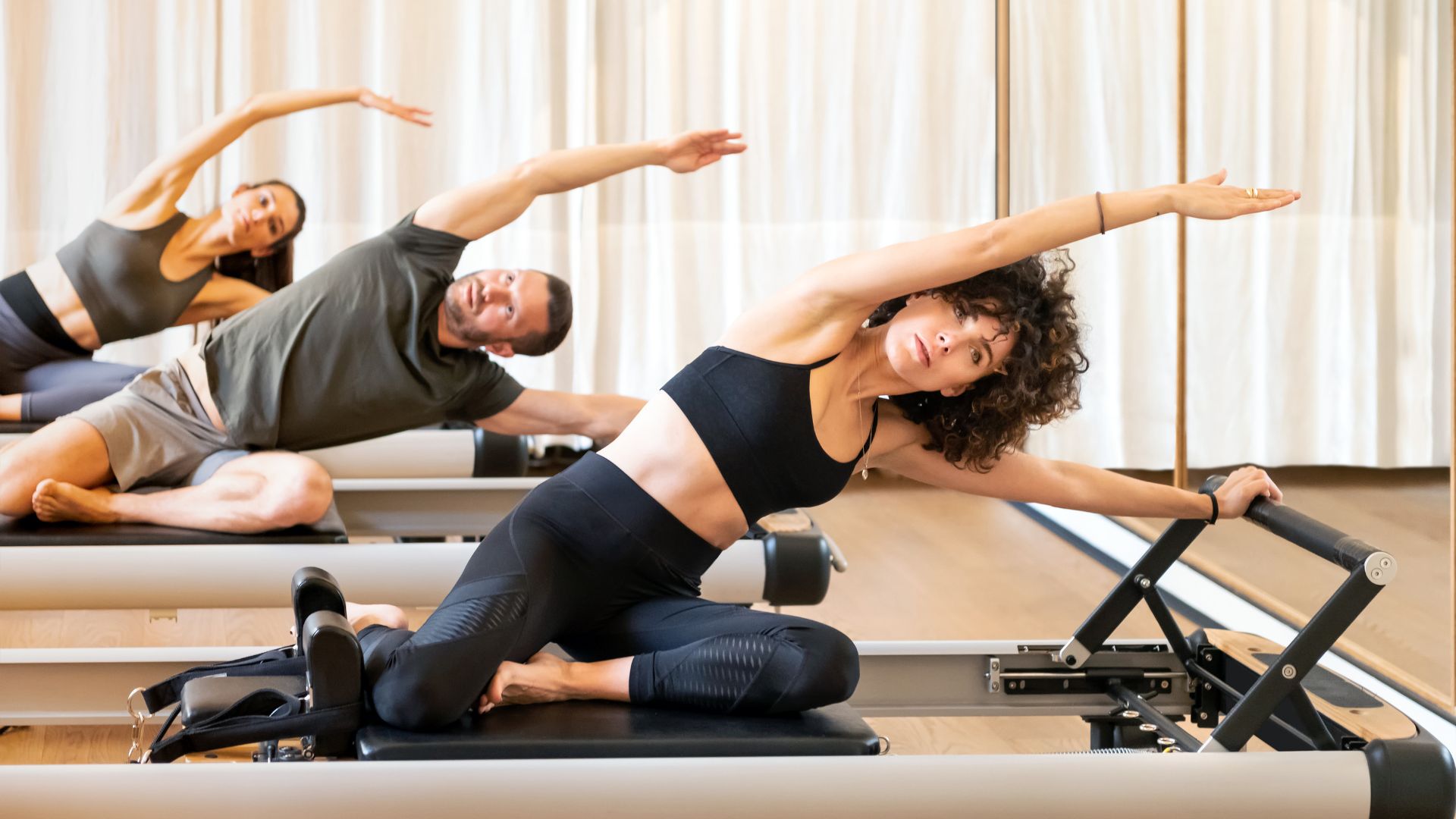
pilates singapore has emerged as one of the most compelling options in this evolving corporate wellness landscape, not because it is fashionable, but because it addresses specific physical and psychological conditions that are genuinely prevalent in Singapore’s office workforce and that have a measurable impact on performance and healthcare costs.
The Occupational Health Case for Pilates in the Workplace
The business case for corporate Pilates begins with epidemiology. Musculoskeletal disorders are the leading cause of workplace absenteeism in Singapore’s office sector. Lower back pain alone accounts for billions of dollars of lost productivity annually across developed economies, and Singapore, with its long average working hours and predominantly desk-based professional workforce, is no exception.
A 2023 analysis of workplace health data in Singapore found that musculoskeletal complaints accounted for a significant proportion of medical leave claims among white-collar workers, with lower back, neck, and shoulder conditions the most commonly cited. The average medical leave episode for these conditions runs to multiple days, and chronic cases can result in extended absences and, in some cases, permanent capacity reduction.
Pilates specifically targets the postural dysfunction and core instability that underlies most of these conditions. Regular participation in a structured Pilates programme has been shown in multiple clinical studies to significantly reduce the incidence and severity of lower back pain, improve postural endurance for desk-based work, and reduce musculoskeletal healthcare utilisation among office workers. From a pure return-on-investment perspective, the cost of subsidising employee Pilates classes is modest compared to the cost of repeated medical consultations, physiotherapy referrals, and lost working days.
How Singapore’s Workplace Safety and Health Framework Supports the Case
The Ministry of Manpower’s Workplace Safety and Health framework, updated in recent years to encompass psychosocial and ergonomic risks alongside traditional physical safety concerns, provides an institutional backdrop that makes employer investment in programmes like Pilates not merely a nice gesture but a defensible organisational priority.
The WSH Council’s guidelines specifically identify sedentary work, repetitive strain, and poor ergonomic practices as risk categories requiring active management. While ergonomic workstation assessment is the most directly responsive intervention, complementary physical conditioning programmes that build the muscular capacity to tolerate desk-based demands represent a recognised category of preventive investment.
Companies that can demonstrate proactive musculoskeletal risk management through documented wellness programmes are in a stronger position both in terms of regulatory expectations and in terms of employee liability considerations when musculoskeletal conditions do arise.
The Mental Health and Cognitive Performance Angle
Beyond musculoskeletal health, Pilates offers measurable benefits for the mental health and cognitive performance concerns that are increasingly central to corporate wellness conversations in Singapore.
Stress and Cortisol Management
Singapore’s professional workforce operates under sustained high-pressure conditions. Long hours, demanding clients, tight deadlines, and competitive organisational cultures generate chronic cortisol elevation that impairs immune function, disrupts sleep, accelerates cognitive decline, and increases emotional reactivity. The parasympathetic activation that Pilates produces through its combination of controlled movement and deliberate breath work provides a genuine physiological downregulation of the stress response.
A 45-minute lunchtime Pilates session does not merely make an employee feel subjectively better. It measurably reduces cortisol, improves heart rate variability (a proxy measure of autonomic nervous system balance), and creates conditions that support better cognitive performance in the afternoon working hours.
Focus and Executive Function
The body awareness, concentration, and precise coordination that Pilates demands during practice have been associated with improved attentional capacity and executive function in research conducted with various professional populations. The mechanisms are not entirely established but likely involve both the neurological training effect of sustained focused attention during practice and the reduced allostatic load (cumulative stress burden) that regular practice produces.
For roles that require sustained analytical focus, complex problem-solving, or high-stakes communication, the cognitive benefits of regular Pilates practice represent a meaningful performance enhancement.
Formats That Work for Singapore Offices
The practical question for HR and wellness managers is how to structure Pilates provision in ways that achieve meaningful uptake and genuine health outcomes rather than low participation rates and superficial engagement. Several formats have been adopted successfully by Singapore organisations.
Lunchtime Group Classes
The most widely adopted format involves group Pilates classes scheduled during the lunch period, either on-site in a company gym or meeting room, or at a nearby studio. This format works well because it does not require employees to sacrifice personal time outside working hours, and the group dynamic creates social accountability that improves consistency of attendance.
The practical requirements for on-site delivery are modest: a clear floor space of approximately 30 to 50 square metres (depending on group size), a qualified instructor, and individual mats. Most Singapore office buildings have meeting rooms that can accommodate groups of 8 to 15 for this format.
Subsidised Studio Memberships
Rather than hosting classes on-site, many companies provide partial or full subsidies for employees to attend Pilates classes at local studios. This approach offers employees flexibility in scheduling, avoids the logistical demands of on-site delivery, and allows employees to attend classes that are incorporated into a broader studio curriculum rather than isolated corporate sessions.
From a wellness outcome perspective, subsidised studio membership tends to produce better results than purely on-site programmes because the studio environment, qualified instruction, and structured progression provide a more complete Pilates experience.
Executive Wellness Programmes
A growing segment of corporate Pilates investment focuses specifically on senior leadership. Private or semi-private sessions scheduled around executive calendars, with instructors who understand the demands of high-performance work environments, address the specific musculoskeletal and stress management needs of leaders while fitting within demanding schedules. These programmes are positioned as performance optimisation rather than conventional wellness, which aligns better with how senior executives typically think about their own development.
Building the Business Case for HR Sign-Off
For HR professionals or office managers wanting to propose corporate Pilates, the most effective business cases combine several evidence streams:
- Quantified musculoskeletal absenteeism costs from company medical leave data
- Evidence from peer-reviewed research on exercise interventions for back pain and musculoskeletal conditions in office workers
- Benchmarking against what comparable Singapore companies include in their wellness programmes
- Projected utilisation rates based on employee interest surveys
- Cost comparison between programme investment and estimated absenteeism reduction
Framing the proposal around productivity and risk management rather than purely employee satisfaction tends to resonate better with finance stakeholders. The language of human capital investment, occupational risk mitigation, and measurable health outcomes positions Pilates as a strategic business decision rather than a discretionary expenditure.
Evaluating Pilates Studio Partners for Corporate Programmes
Not all Pilates providers are equally suited to corporate wellness delivery. When evaluating partners, consider:
- Instructor qualifications and experience with corporate or workplace wellness contexts
- Flexibility in scheduling to accommodate corporate timetables
- Ability to accommodate mixed fitness levels and the specific physical conditions common in office workers (existing back issues, post-injury rehabilitation needs)
- Track record with corporate clients and willingness to provide testimonials or case studies
- Reporting and attendance tracking for programme evaluation purposes
A studio that understands the specific needs of Singapore’s corporate workforce will structure its offering differently from a consumer-facing studio, with more attention to modification, progression management, and the realities of participants who may be attending exercise for the first time in years.
Yoga Edition serves professionals across multiple Singapore locations and offers structured Pilates classes that accommodate varying fitness levels, making it a relevant consideration for companies seeking a studio partner that understands the needs of working adults.
Frequently Asked Questions
Q. What is a reasonable per-employee budget for corporate Pilates in Singapore? A. Costs vary depending on format. On-site group classes typically range from SGD 800 to SGD 1,500 per session depending on instructor and group size. Subsidised studio memberships might represent a monthly contribution of SGD 80 to SGD 200 per participating employee. When evaluated against the cost of even a single extended musculoskeletal absenteeism episode, these figures represent favourable economics for most organisations.
Q. How do we measure the ROI of a corporate Pilates programme? A. The most rigorous approach involves tracking medical leave frequency and duration for musculoskeletal conditions before and after programme implementation, alongside employee-reported measures of physical discomfort, energy levels, and job satisfaction. Wellbeing surveys administered at regular intervals can capture less tangible benefits. Most well-run corporate wellness programmes expect to see meaningful directional improvement in these metrics within six to twelve months of consistent programming.
Q. Our employees work across different shifts and schedules. Can corporate Pilates still work? A. Yes, through a subsidised membership model that allows employees to attend at times that suit their individual schedules. This is often more practical than on-site group classes for organisations with operational schedules that make a fixed group class time difficult to achieve broad participation for.
Q. We are a small company with fewer than 20 employees. Is corporate Pilates still worth pursuing? A. Absolutely. Smaller companies can pursue subsidised studio membership arrangements that require no minimum group size and give employees maximum scheduling flexibility. The administrative overhead is minimal and the proportional health impact on a small team can be significant, particularly given that smaller organisations often have less capacity to absorb extended absences.
Q. Can Pilates be incorporated into an existing Employee Assistance Programme? A. Yes. Many EAPs in Singapore are evolving to include physical wellness components alongside their traditional counselling and mental health services. Pilates fits naturally within a holistic EAP framework, particularly given its documented mental health benefits alongside its physical outcomes. Discuss integration options directly with your EAP provider.
Q. How do we handle employees with existing injuries or medical conditions who want to participate? A. Require a simple health disclosure form before participation and communicate this information to the instructing studio. Well-trained Pilates instructors are accustomed to modifying exercises for participants with a wide range of physical conditions. For employees with acute conditions or recent surgery, medical clearance from their doctor before participating is a reasonable requirement that protects both the employee and the employer.
Comments are closed.